

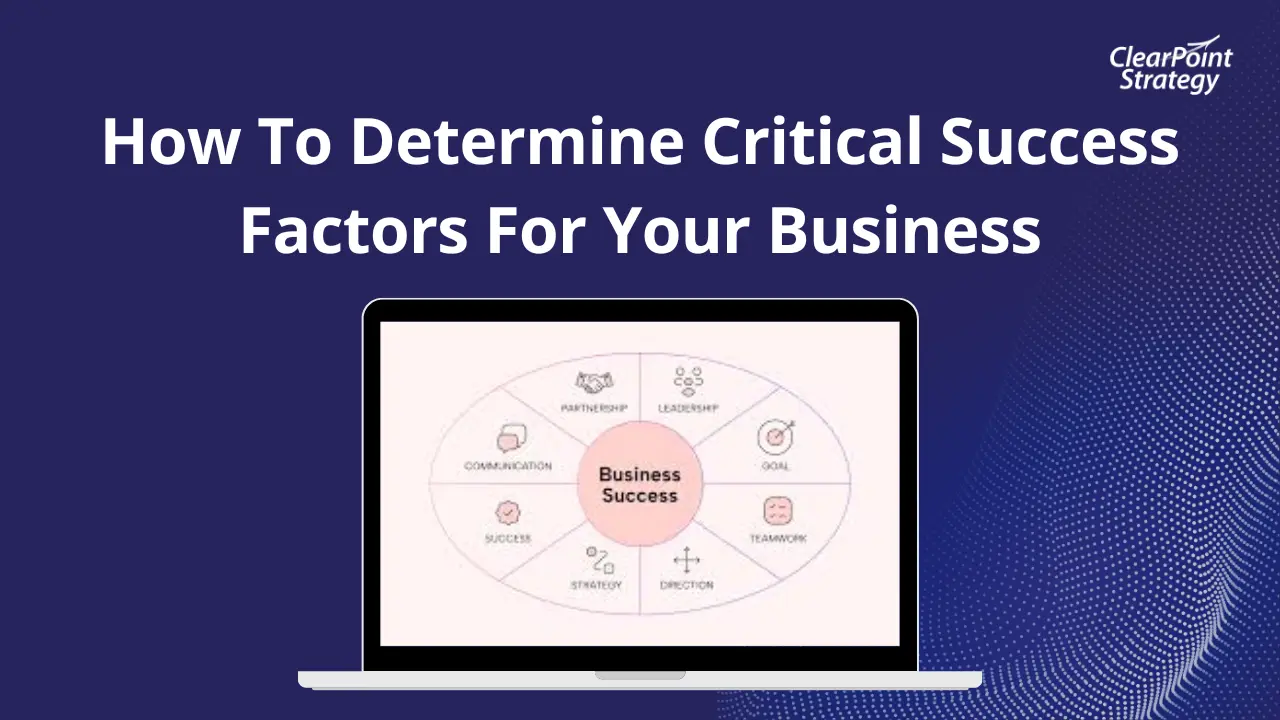
Building a successful business takes more than having a good product or service. Many businesses start with a promising idea but struggle because they lack a clear strategy, reliable financial controls, strong customer relationships, or the ability to adapt when market conditions change.
Understanding the main business success factors can help entrepreneurs and established companies make better decisions. These factors provide a practical framework for identifying strengths, addressing weaknesses, and creating sustainable growth.
Whether you run a small local company, an online business, or a growing organization, the same basic principles apply: understand your customers, manage resources carefully, build a capable team, and keep improving.
What Are Business Success Factors?
Business success factors are the conditions, practices, and capabilities that contribute to a company’s ability to achieve its goals and maintain long-term performance.
Some factors are internal, such as leadership, employees, finances, and operational processes. Others are influenced by external conditions, including competition, customer demand, economic changes, technology, and industry trends.
A successful business doesn’t necessarily excel in every area from day one. Instead, it continuously identifies what matters most, measures performance, and improves over time.
10 Key Business Success Factors
1. Clear Business Strategy
A clear strategy gives a business direction. Without one, companies can spend money and time on activities that don’t contribute meaningfully to their goals.
An effective strategy should define:
- What the business offers
- Who its ideal customers are
- What makes it different
- How it will compete
- What it wants to achieve
- How success will be measured
For example, a small software company may decide to focus specifically on accounting tools for independent retailers instead of trying to serve every type of business.
A focused strategy makes decision-making easier and helps employees understand their priorities.
2. Strong Leadership
Leadership is another major business success factor. Effective leaders establish priorities, communicate expectations, make informed decisions, and create an environment where employees can perform well.
Good leadership isn’t simply about giving instructions. It involves:
- Setting a clear vision
- Taking responsibility for decisions
- Listening to employees and customers
- Solving problems quickly
- Developing future leaders
- Encouraging accountability
Strong leadership becomes especially important as a company grows because informal communication and decision-making become harder to manage.
3. Understanding Customer Needs
Customers ultimately determine whether a business can remain viable. A company may have excellent technology or attractive branding, but if it doesn’t solve a meaningful customer problem, growth becomes difficult.
Businesses should regularly research:
- Customer expectations
- Purchasing behavior
- Common complaints
- Product preferences
- Reasons for repeat purchases
- Reasons customers leave
Customer feedback can reveal opportunities for improving products, services, pricing, and support.
For instance, if customers repeatedly complain about a complicated checkout process, simplifying it could improve both customer satisfaction and conversion rates.
4. Financial Management
A profitable business still needs strong financial management. Revenue alone doesn’t guarantee financial health.
Business owners should understand important measures such as:
| Financial Area | Why It Matters |
| Revenue | Shows money generated from sales |
| Profit margin | Indicates how efficiently revenue becomes profit |
| Cash flow | Helps the business meet short-term obligations |
| Operating costs | Shows how much it costs to run the company |
| Customer acquisition cost | Helps evaluate marketing efficiency |
| Return on investment | Measures whether spending produces worthwhile results |
Maintaining accurate financial records, controlling unnecessary expenses, and planning for future cash needs can help businesses remain stable during difficult periods.
5. Effective Marketing and Brand Positioning
Even an excellent product needs visibility. Marketing helps businesses communicate their value to potential customers and build relationships with existing ones.
A strong marketing approach may include:
- Search engine optimization
- Content marketing
- Social media
- Email marketing
- Paid advertising
- Partnerships
- Referral programs
- Public relations
However, successful marketing isn’t about being present everywhere. It is about reaching the right audience through channels that fit their behavior.
Brand positioning also matters. Customers should be able to understand what a company offers and why they should choose it over competitors.
6. Skilled and Engaged Employees
People are one of the most important resources in any organization. Skilled employees can improve productivity, customer service, innovation, and problem-solving.
Businesses can strengthen their teams by providing:
- Appropriate training
- Clear responsibilities
- Competitive compensation
- Opportunities for development
- Constructive feedback
- Recognition for strong performance
- A healthy workplace culture
Hiring the right people is only the beginning. Retaining capable employees can reduce recruitment costs and preserve valuable organizational knowledge.
7. Operational Efficiency
Efficient operations allow a company to deliver products or services consistently while controlling costs.
Businesses should examine repetitive processes and ask whether they can be simplified, automated, or eliminated.
Examples include:
- Automating routine administrative tasks
- Standardizing customer service procedures
- Improving inventory management
- Reducing unnecessary approval steps
- Using project management systems
- Monitoring supplier performance
Operational efficiency doesn’t mean cutting costs at any expense. The goal is to use resources intelligently without damaging quality or customer experience.
8. Adaptability and Resilience
Markets change constantly. Customer preferences evolve, competitors introduce new products, and technology can transform entire industries.
Adaptability allows businesses to respond instead of becoming trapped by outdated assumptions.
A resilient company may:
- Monitor industry developments.
- Listen to customers.
- Review business performance regularly.
- Test new ideas on a manageable scale.
- Adjust its strategy when evidence supports a change.
The ability to adapt was particularly visible during major disruptions when businesses had to reconsider supply chains, sales channels, workplace arrangements, and customer communication.
9. Innovation and Continuous Improvement
Innovation doesn’t always mean inventing something completely new. It can also mean improving an existing product, process, or customer experience.
A restaurant might introduce online ordering. A manufacturer might reduce production waste. An online retailer might improve its returns process.
A useful approach is to encourage employees to identify problems and suggest practical solutions.
Continuous improvement helps businesses avoid becoming complacent and can create advantages that competitors find difficult to copy.
10. Measuring Performance
Businesses need reliable information to determine whether their strategies are working.
Useful key performance indicators, or KPIs, can include:
- Sales growth
- Gross and net profit margins
- Customer retention
- Customer acquisition cost
- Conversion rate
- Employee turnover
- Website traffic
- Average order value
- Customer satisfaction
- Cash-flow performance
The right metrics depend on the business model. A subscription company may focus heavily on retention and recurring revenue, while a retailer may prioritize sales, inventory turnover, and average transaction value.
How to Measure Business Success
Business success shouldn’t be judged by revenue alone. A company can increase sales while becoming less profitable or creating dissatisfied customers.
A broader evaluation should consider four areas:
Financial Performance
Look at revenue, profitability, cash flow, expenses, and return on investment.
Customer Performance
Monitor retention, satisfaction, reviews, referrals, complaints, and repeat purchases.
Operational Performance
Evaluate productivity, delivery times, quality, waste, and process efficiency.
Organizational Performance
Consider employee engagement, turnover, skills development, leadership effectiveness, and workplace culture.
Reviewing these areas together provides a more realistic picture of business health.
Common Mistakes That Hold Businesses Back
Even companies with strong products can struggle because of avoidable mistakes.
Common problems include:
- Trying to target everyone
- Ignoring customer feedback
- Poor cash-flow planning
- Failing to track meaningful KPIs
- Spending heavily without measuring results
- Depending too heavily on one customer or sales channel
- Resisting technological change
- Neglecting employee development
- Expanding before operations are ready
- Making decisions without reliable data
Recognizing these risks early can prevent small problems from becoming expensive ones.
How to Improve Your Business Performance
Businesses don’t need to overhaul everything at once. A practical improvement process can start with a simple review.
Step 1: Define Your Goals
Set specific objectives for revenue, customers, profitability, market expansion, or operational performance.
Step 2: Identify Weak Areas
Compare current performance with your goals and determine where the biggest gaps exist.
Step 3: Prioritize
Focus on a few high-impact improvements rather than trying to change everything simultaneously.
Step 4: Track Results
Choose measurable indicators and review them consistently.
Step 5: Learn and Adjust
If an initiative doesn’t produce the expected result, analyze why and modify the approach.
This creates a cycle of planning, action, measurement, and improvement.
Key Takeaways
- A clear business strategy provides direction and focus.
- Strong leadership supports better decisions and team performance.
- Understanding customers helps businesses create relevant products and services.
- Financial management is essential for stability and sustainable growth.
- Marketing and brand positioning help businesses attract and retain customers.
- Skilled employees contribute to productivity, innovation, and customer experience.
- Efficient operations can improve quality while controlling costs.
- Adaptability helps companies respond to changing markets.
- Continuous innovation can create new opportunities.
- Measuring the right KPIs helps businesses make evidence-based decisions.
- Long-term success usually comes from improving several connected areas rather than relying on one advantage.
FAQs
What are the most important business success factors?
Key factors include strategy, leadership, customer satisfaction, financial management, marketing, skilled employees, innovation, and adaptability.
Why is customer satisfaction important?
Satisfied customers are more likely to return, recommend the business, and build long-term relationships.
How does financial management affect business success?
It helps control costs, manage cash flow, measure profits, and support stable growth.
What role does leadership play?
Good leadership provides direction, improves decision-making, and keeps employees focused on business goals.
Can small businesses use these success factors?
Yes. Small businesses can apply the same principles, adjusting them to their size, budget, and resources.
How can a business measure success?
Businesses can track revenue, profits, customer retention, satisfaction, productivity, and other relevant KPIs.
Why is adaptability important?
Adaptability helps businesses respond to changing customer needs, technology, competition, and market conditions.
Conclusion
Understanding the major business success factors gives business owners a practical foundation for making better decisions. Success rarely comes from a single product, marketing campaign, or financial result. It usually develops through a combination of clear strategy, strong leadership, customer focus, financial discipline, capable employees, efficient operations, and continuous improvement.
The most effective businesses also recognize that success is not a fixed destination. Markets change, customer expectations evolve, and new competitors appear. Companies that consistently measure performance, listen to their customers, support their people, and adapt their strategies are better prepared for sustainable growth.
Instead of searching for one formula for success, businesses should focus on building a strong system where each major factor supports the others. That approach can create a healthier organization and a stronger foundation for long-term performance.
Learn About: rox.com
