

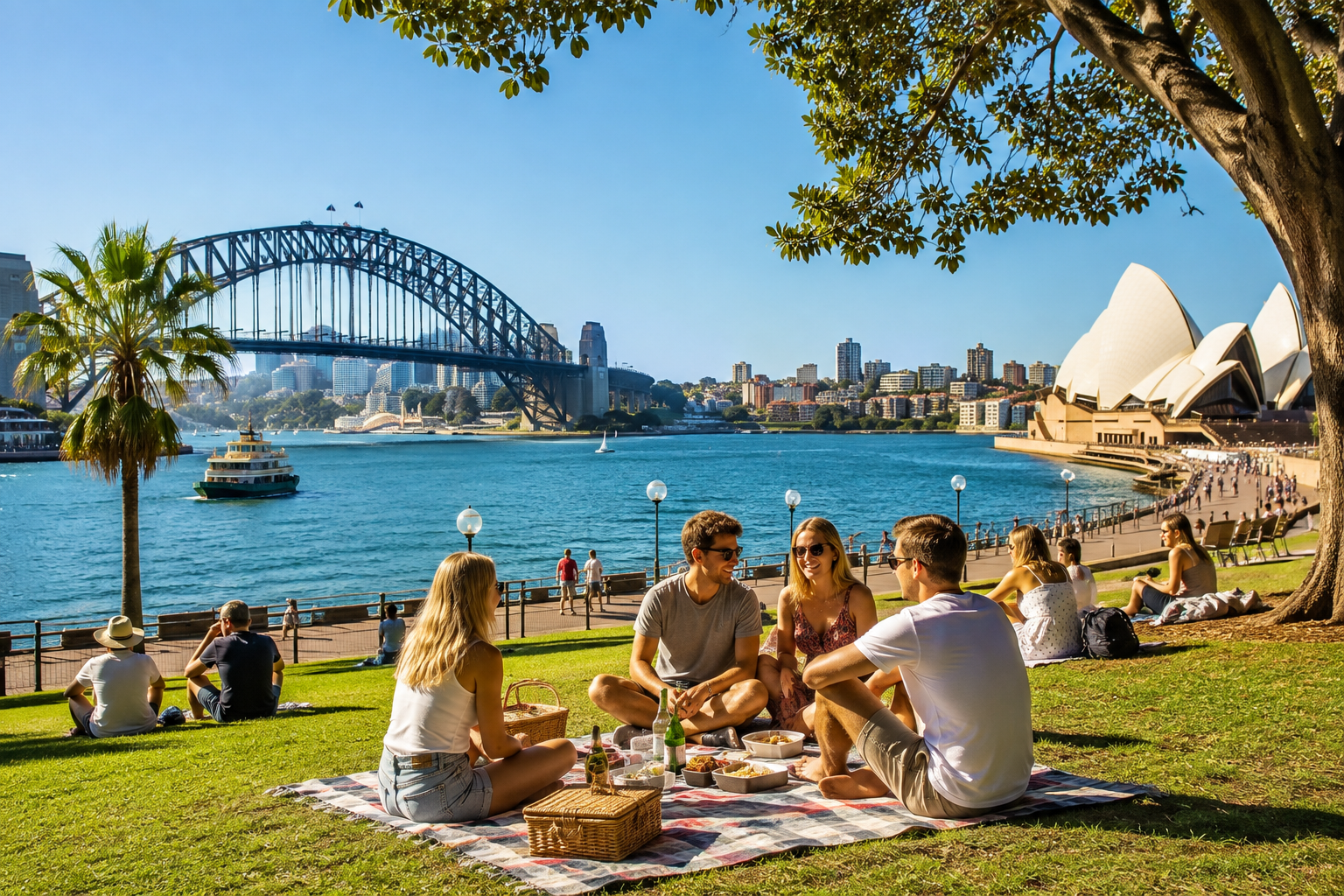
The Australian lifestyle is a distinctive blend of relaxed living, outdoor adventure, multicultural influences, and modern urban life. Australia is known for its beaches, natural landscapes, sporting culture, and friendly social atmosphere, but everyday life is much broader than these familiar images.
People living in Australia experience different routines depending on where they live. Life in Sydney or Melbourne can feel fast-paced and urban, while regional and coastal communities may offer a quieter rhythm. Climate, occupation, family life, income, and personal interests also shape how people spend their time.
Understanding Australian lifestyle means looking beyond stereotypes and exploring the habits, values, food, work culture, leisure activities, and social traditions that influence everyday life.
What Is the Australian Lifestyle?
The Australian lifestyle describes the everyday habits, values, traditions, and social patterns associated with living in Australia. It isn’t one fixed way of life. Australia is culturally diverse, and lifestyles differ significantly across its cities, suburbs, rural areas, and remote communities.
A few characteristics commonly associated with Australian life include:
- Spending time outdoors
- Enjoying beaches, parks, and natural spaces
- Following sports
- Socialising with family and friends
- Appreciating casual dining and coffee culture
- Maintaining a healthy work-life balance
- Taking holidays and short breaks
- Living in multicultural communities
The country’s geography also plays an important role. With long coastlines, varied climates, national parks, and large urban centres, Australians have many opportunities to combine modern living with outdoor recreation.
Outdoor Living and Recreation
Outdoor activities are an important part of Australian lifestyle and leisure culture. The country’s natural environment makes it easy for people to enjoy activities outside the home.
Beaches and Coastal Activities
Australia has a strong beach culture. Swimming, surfing, fishing, kayaking, walking and simply relaxing beside the water are popular ways to spend free time.
For many coastal communities, the beach isn’t only a tourist attraction. It can be part of everyday life, from an early-morning walk to a weekend gathering with friends.
Parks and Nature
Australians also enjoy parks, gardens, walking trails, camping areas and national parks. Bushwalking and weekend trips can provide an easy escape from busy city routines.
Outdoor recreation can be as simple as:
- Going for a morning walk.
- Having a picnic in a local park.
- Cycling around a neighbourhood.
- Visiting a national park.
- Taking a weekend road trip.
This connection with nature is one reason outdoor activities remain strongly associated with Australian living.
Australian Food and Dining Culture
Australian food culture reflects the country’s multicultural population. Traditional Australian favourites exist alongside cuisines influenced by communities from Asia, Europe, the Middle East and many other regions.
Popular Food Experiences
Australian eating habits can include everything from casual cafés and takeaway meals to family barbecues and restaurant dining.
Some familiar parts of Australian food culture include:
| Food Experience | Common Setting |
| Barbecue | Homes, parks and social gatherings |
| Coffee | Cafés and neighbourhood shops |
| Fish and chips | Coastal areas and casual dining |
| Meat pies | Bakeries, cafés and sporting events |
| Brunch | Cafés and weekends |
| Multicultural cuisine | Cities and suburban communities |
Coffee culture is particularly visible in major Australian cities, where independent cafés are common parts of neighbourhood life.
Food also plays an important social role. A barbecue, shared meal or café visit can be less about formality and more about spending time together.
Work-Life Balance
Work is an important part of Australian society, but leisure and personal time also receive considerable attention.
Australian workplaces vary by industry and employer, so there is no single working pattern. Many people balance employment with family responsibilities, hobbies, exercise and social activities.
Everyday Work Culture
A typical routine might involve:
- Working during regular weekday hours
- Commuting by car or public transport
- Meeting colleagues for coffee or lunch
- Exercising before or after work
- Spending evenings with family or friends
- Using weekends for recreation and household activities
Flexible and hybrid work arrangements have also changed how some Australians organise their working lives, particularly in professional and office-based occupations.
A healthy lifestyle isn’t simply about having more free time. It also involves managing work, finances, relationships and personal responsibilities realistically.
Family and Social Life
Family and friendships are important elements of Australian lifestyle. Social activities can range from informal gatherings at home to meals at restaurants, sporting events, community activities and outdoor trips.
Australians are often associated with a relatively informal communication style. Social occasions may be casual rather than highly structured.
For example, friends might meet for coffee, organise a barbecue, go to a local sporting event, or plan a weekend trip together.
Community life also differs across locations. Suburban neighbourhoods, regional towns and multicultural urban communities can all have their own traditions and social networks.
Sport in Australian Culture
Sport has a major place in Australian culture and entertainment.
Popular sports include:
- Australian rules football
- Cricket
- Rugby
- Soccer
- Tennis
- Swimming
- Netball
Sport can be both something people watch and something they actively participate in. Children may join local clubs, while adults might play recreational sport or follow professional competitions.
Major sporting events can bring people together and create a strong sense of community. Local clubs also provide opportunities for exercise, friendships and volunteering.
City and Regional Lifestyles
One of the most important things to understand about Australian lifestyle is that it varies by location.
Major Cities
Cities such as Sydney, Melbourne, Brisbane, Perth and Adelaide offer busy urban environments with employment opportunities, universities, restaurants, cultural attractions and public transport.
Urban residents may enjoy:
- Café culture
- Shopping
- Arts and entertainment
- Professional careers
- Public parks
- Sporting events
- Diverse restaurants
Regional and Rural Areas
Regional and rural communities can offer a different pace of life. Some people value larger homes, open spaces, community connections and easier access to nature.
However, regional living can also involve longer travel distances and fewer services than major metropolitan areas.
This contrast means there is no single definition of Australian lifestyle. A person’s experience can depend heavily on geography.
Australian Lifestyle and Multiculturalism
Australia is a culturally diverse country, and multiculturalism has influenced food, festivals, languages, communities and everyday social life.
In major cities especially, people can experience restaurants, markets, cultural events and traditions from many parts of the world.
This diversity has helped create an Australian lifestyle that combines local traditions with international influences.
For newcomers, this can make Australian communities easier to explore. Joining local groups, attending community events and trying different foods are practical ways to become familiar with life in Australia.
How to Experience the Australian Lifestyle
Visitors and newcomers don’t need to copy every Australian habit to experience the country’s way of life.
Try these simple approaches:
1. Spend Time Outdoors
Visit a local beach, park, walking trail or nature reserve.
2. Explore Local Cafés
Australian café culture provides an easy way to experience neighbourhood life.
3. Try Different Foods
Explore both familiar Australian foods and cuisines representing the country’s multicultural communities.
4. Follow Local Sport
Attend a match or learn about a sport popular in the area where you’re staying.
5. Take a Weekend Trip
Road trips and short breaks can provide an opportunity to experience coastal, regional and natural environments beyond major cities.
6. Connect With the Community
Local clubs, markets, community groups and events can help visitors and newcomers understand everyday Australian culture.
Key Takeaways
- The Australian lifestyle combines modern living with strong outdoor traditions.
- Beaches, parks, sport and nature play important roles in leisure time.
- Australian food culture reflects a highly diverse population.
- Work-life balance is valued, although experiences differ by occupation and individual circumstances.
- Family, friendships and community activities are important parts of social life.
- Lifestyle can vary considerably between major cities, suburbs, regional towns and rural areas.
- Multiculturalism has strongly influenced modern Australian culture.
- Experiencing local communities is one of the best ways to understand Australian life.
FAQs
What is the Australian lifestyle like?
It is generally associated with outdoor activities, casual socialising, sport, multicultural food and a relaxed approach to leisure.
What do Australians do for fun?
Many Australians enjoy sports, beaches, hiking, cafés, barbecues, travel and spending time with friends and family.
Is Australia known for work-life balance?
Work-life balance is widely valued, although actual working conditions depend on the industry, employer and individual circumstances.
What food is popular in Australia?
Barbecues, meat pies, seafood, fish and chips, café food and diverse international cuisines are common.
Is Australian life expensive?
Living costs vary by location and lifestyle, with major cities often having different housing and everyday expenses from regional areas.
What sports are popular in Australia?
Cricket, Australian rules football, rugby, soccer, tennis and netball are among the country’s popular sports.
Conclusion
The Australian lifestyle is best understood as a combination of many influences rather than a single set of habits. Outdoor recreation, sport, food, family, work, community and multiculturalism all contribute to everyday life.
Australia’s size and diversity also mean that experiences can be very different. A professional living in a major city may have a completely different routine from someone living in a regional or coastal community.
Still, the emphasis on enjoying free time, connecting with others and making use of Australia’s natural surroundings remains an important part of the country’s cultural identity. Whether you’re planning a move, preparing for a visit, or simply curious about Australian culture, exploring these everyday aspects gives you a more realistic picture of life in Australia.
Learn About: Living in London
