

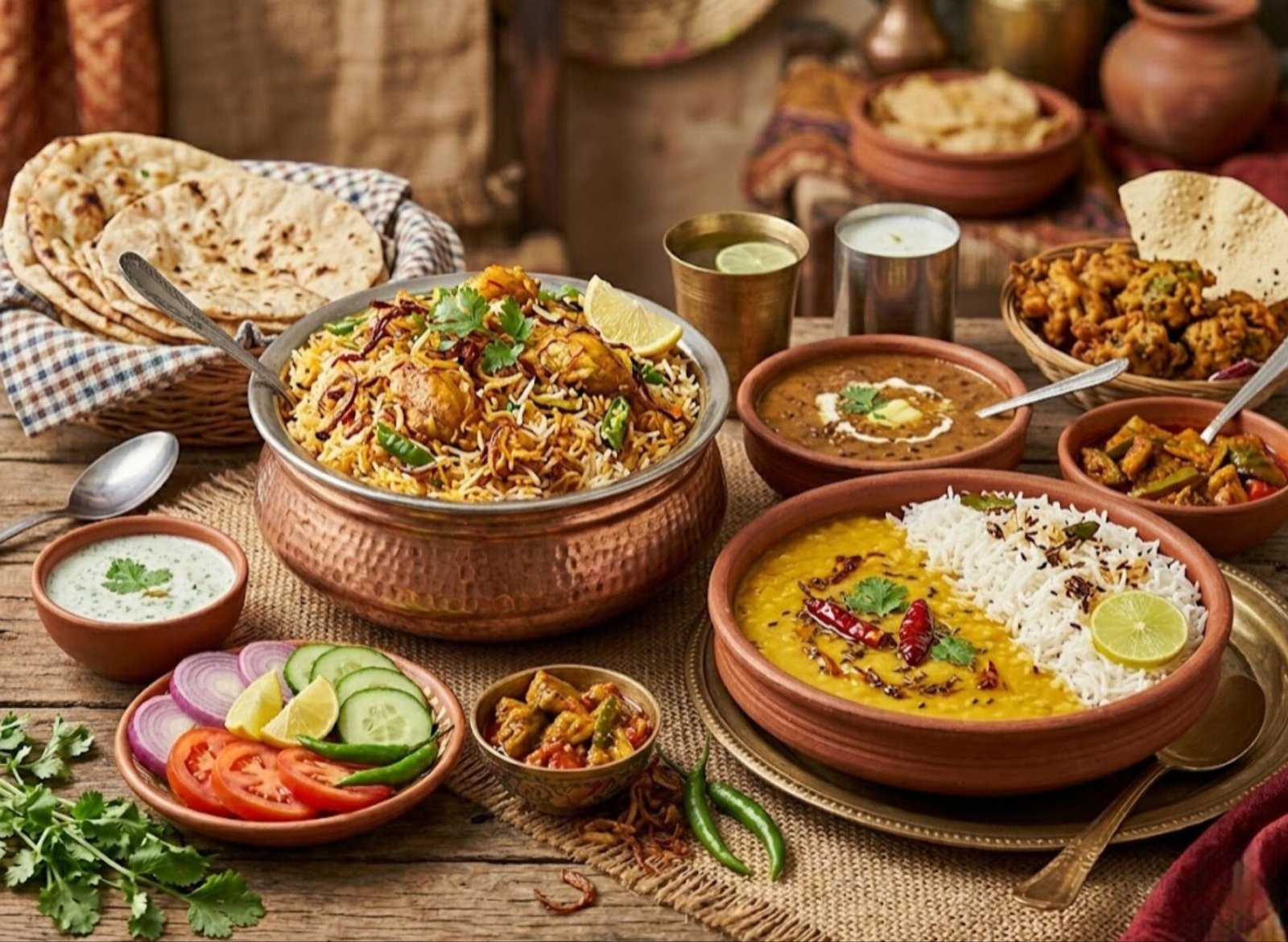
Food is an important part of our daily life. We eat it for energy and nutrition, but food is also connected to our culture, family, traditions, and celebrations. From a homemade breakfast to a favorite dish from another country, food can make everyday life more enjoyable.
With so many food choices available, it can sometimes be difficult to know what to eat, how to plan meals, and which foods are good sources of important nutrients. Learning a few basic things about food can help make everyday choices easier.
In this guide, we’ll talk about different types of food, basic nutrition, healthy eating habits, international cuisines, meal planning, and simple food ideas you can try at home.
What Is Food?
Food refers to substances that people consume to obtain energy and nutrients needed for normal body functions. It can be eaten raw, cooked, processed, fermented, baked, grilled, steamed, or prepared in countless other ways.
Different foods provide different nutrients. For example:
- Fruits and vegetables provide vitamins, minerals, fiber, and other beneficial compounds.
- Whole grains provide carbohydrates, fiber, and various nutrients.
- Meat, fish, eggs, beans, and lentils can provide protein and important micronutrients.
- Dairy products can provide protein and calcium.
- Nuts and seeds provide healthy fats, protein, fiber, and minerals.
No single food provides everything the body needs. That’s why variety is an important part of a balanced eating pattern.
Why Is Food Important?
Food supplies the energy required for everyday activities and provides nutrients that support growth, repair, and normal body functions.
A nutritious eating pattern can include a wide range of foods rather than focusing on one specific ingredient or “perfect” diet.
Food can also have an important social and cultural role. Family recipes may be passed down through generations, while traditional dishes can tell stories about a community’s history and environment.
Eating is also an experience. The aroma of spices, texture of freshly baked bread, or taste of seasonal fruit can make a meal memorable.
Main Food Groups
Understanding basic food groups makes meal planning easier.
Fruits and Vegetables
Fruits and vegetables are important sources of vitamins, minerals, fiber, and other plant compounds. Eating a variety of colors can help increase the range of nutrients in a person’s diet.
Examples include:
- Apples
- Bananas
- Oranges
- Berries
- Spinach
- Carrots
- Tomatoes
- Broccoli
- Peppers
Fresh, frozen, and canned options can all be useful depending on availability and preparation.
Grains
Grains include foods such as rice, oats, wheat, barley, and corn. Whole-grain choices generally contain more fiber and nutrients because they retain more parts of the original grain.
Common examples include oatmeal, brown rice, whole-grain bread, and whole-wheat pasta.
Protein Foods
Protein helps maintain and repair body tissues. Good sources include poultry, fish, eggs, beans, lentils, peas, tofu, nuts, and seeds.
Including different protein sources can add variety to meals while helping meet nutritional needs.
Dairy and Alternatives
Milk, yogurt, and cheese are common dairy foods that provide nutrients such as protein and calcium. Fortified alternatives can also be part of a balanced diet, depending on individual dietary needs and preferences.
Healthy Fats
Fats are an important source of energy and help the body absorb certain vitamins. Foods such as avocados, nuts, seeds, olives, and some vegetable oils contain unsaturated fats.
The type and overall amount of fat matter, so variety and moderation are useful principles.
How to Build a Balanced Meal
A balanced meal doesn’t have to be complicated. One practical approach is to combine several food groups.
For example, a simple dinner might include:
| Meal Component | Example |
| Vegetables | Roasted broccoli and carrots |
| Protein | Grilled chicken or lentils |
| Grain | Brown rice or whole-grain bread |
| Healthy fat | Avocado or a small amount of olive oil |
| Fruit | Fresh berries or an orange |
Portion needs vary from person to person, so there’s no universal plate size that works for everyone.
The goal is to create meals that offer variety and nutritional value while still being enjoyable.
Exploring International Food
One of the most exciting things about food is how differently people cook around the world. Climate, geography, history, religion, trade, and local ingredients have all influenced traditional cuisines.
Italian cuisine is widely associated with pasta, tomatoes, olive oil, herbs, and regional cheeses. Japanese cuisine often highlights rice, seafood, vegetables, noodles, and carefully prepared seasonal ingredients. Mexican cuisine features ingredients such as corn, beans, chilies, tomatoes, and a wide range of herbs and spices.
Indian cuisine is particularly diverse, with regional traditions offering different combinations of spices, grains, vegetables, legumes, meat, and dairy.
People interested in discovering dishes from different countries can also explore an international food market guide to get inspiration for global flavors and ingredients.
Trying international food can also encourage people to experiment with ingredients they might not normally use at home.
Simple Food Ideas for Everyday Meals
You don’t need complicated recipes to make satisfying meals. A few basic ingredients can be combined in many different ways.
Breakfast Ideas
Easy options include:
- Oatmeal with fruit and nuts
- Eggs with whole-grain toast
- Yogurt with berries
- A vegetable omelet
- Whole-grain cereal with fruit
Lunch Ideas
For lunch, consider:
- Chicken and vegetable wraps
- Lentil soup with whole-grain bread
- Rice bowls with vegetables and beans
- Tuna or chickpea salad
- Vegetable and egg sandwiches
Dinner Ideas
Simple dinners can include:
- Grilled fish with vegetables and rice
- Chicken stir-fry with mixed vegetables
- Lentil curry with rice
- Pasta with vegetables and a protein source
- Baked potatoes with beans and salad
For more inspiration when you’re unsure what to cook, exploring different food ideas and meal inspiration can help turn everyday ingredients into interesting meals.
Tips for Healthier Food Choices
Healthy eating doesn’t mean completely avoiding foods you enjoy. A more sustainable approach is to focus on overall patterns.
1. Eat More Variety
Try to include different fruits, vegetables, grains, and protein sources throughout the week.
2. Pay Attention to Added Sugar and Sodium
Many packaged foods can contain significant amounts of added sugar or sodium. Reading nutrition labels can help you compare products.
3. Choose Fiber-Rich Foods
Whole grains, vegetables, fruits, beans, and lentils can increase fiber intake and make meals more satisfying.
4. Stay Hydrated
Water is an important part of daily nutrition. Individual fluid needs vary depending on factors such as activity, climate, and health.
5. Cook More Often When Possible
Preparing meals at home can make it easier to control ingredients and experiment with healthier cooking methods.
6. Don’t Chase Perfection
A healthy eating pattern can include occasional desserts, restaurant meals, and favorite comfort foods. What matters most is the overall pattern rather than one meal.
Food Safety and Storage
Good food choices also involve safe preparation and storage. Raw foods, particularly meat, poultry, seafood, and eggs, should be handled carefully to reduce the risk of foodborne illness.
Basic food safety practices include:
- Wash hands before preparing food.
- Keep raw and ready-to-eat foods separate.
- Use clean utensils and preparation surfaces.
- Cook foods to safe temperatures.
- Refrigerate perishable foods promptly.
- Follow storage instructions and expiration guidance.
When eating outside the home, choose food businesses that appear clean and follow appropriate food-handling practices.
Key Takeaways
- Food provides energy and essential nutrients.
- A varied diet can provide a broader range of nutrients.
- Fruits, vegetables, grains, proteins, dairy or alternatives, and healthy fats can all contribute to balanced meals.
- International cuisine offers countless ways to explore new ingredients and flavors.
- Healthy eating is about overall habits rather than perfection.
- Reading labels and practicing good food safety can support better everyday choices.
- Simple meals can be nutritious, affordable, and enjoyable.
FAQs
What is food?
Food is any edible substance consumed to provide energy and nutrients needed by the body.
What makes a meal balanced?
A balanced meal generally combines several food groups, such as vegetables, a protein source, grains or other carbohydrates, and a source of healthy fat.
Why should we eat different types of food?
Different foods contain different nutrients. Eating a variety of foods can help provide a broader range of vitamins, minerals, protein, fiber, and other nutrients.
Is homemade food healthier?
Homemade meals can make it easier to control ingredients, portion sizes, added salt, and added sugar, although the nutritional value depends on the ingredients and preparation method.
How can I make healthy eating easier?
Plan a few simple meals in advance, keep nutritious ingredients available, include vegetables and protein regularly, and choose mostly minimally processed foods when practical.
Why is international food popular?
International food allows people to experience different flavors, ingredients, cooking techniques, and cultural traditions without necessarily traveling.
Conclusion
Food is an essential part of life, but it can also be a source of enjoyment, creativity, culture, and connection. Understanding basic nutrition makes it easier to build balanced meals, while exploring different cuisines can keep everyday eating interesting.
The best approach isn’t about following a perfect menu. It’s about creating practical eating habits that provide variety, nutritional value, and enjoyment. Whether you’re preparing a quick breakfast, cooking for your family, or trying a dish from another country, thoughtful food choices can make every meal a little more rewarding.
