

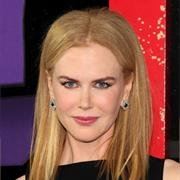
The term female movie actress can refer to any woman who performs in motion pictures, from emerging independent-film talent to internationally recognised stars. Throughout the history of cinema, women have delivered memorable performances, challenged traditional expectations, and helped shape the way audiences experience stories.
Today, female actors take on a wider variety of roles than ever before. They lead action franchises, star in award-winning dramas, produce films, direct projects, and build successful careers across global entertainment industries. Their influence extends beyond the screen, affecting fashion, popular culture, representation, and conversations about equality in the film industry.
This guide explores what a female movie actress does, the different types of roles available, the qualities behind successful performances, and the lasting impact women have had on cinema.
What Is a Female Movie Actress?
A female movie actress is a professional performer who portrays characters in films. Her work may involve interpreting a screenplay, understanding a character’s motivations, rehearsing scenes, collaborating with directors, and performing in front of a camera.
Although people commonly use the terms actress and female actor, many professionals now use “actor” as a gender-neutral title. Both terms remain widely understood in the entertainment industry.
A film actress may work in:
- Feature films
- Independent cinema
- Short films
- Streaming productions
- International movies
- Animated films through voice acting
- Documentary recreations
The job requires far more than memorising lines. Strong screen performances often depend on emotional control, timing, movement, voice, preparation, and the ability to respond naturally to other performers.
The Role of Women in Film
Women have been part of cinema since its earliest years. However, the opportunities available to female performers have changed significantly over time.
In earlier periods, many female characters were written around limited stereotypes. Women were often presented primarily as romantic interests, supporting characters, or background figures. While talented actresses still delivered remarkable performances, the range of available roles was often narrower than it is today.
Modern cinema has created more opportunities for complex female characters. Audiences now regularly see women portrayed as:
- Leaders and decision-makers
- Scientists and professionals
- Athletes and explorers
- Action heroes
- Historical figures
- Villains and antiheroes
- Mothers, friends, and family figures
- Complex protagonists with independent goals
This broader representation allows actresses to explore richer characters and gives audiences access to more varied stories.
Different Types of Female Movie Actress Roles
Leading Actress
A leading actress plays one of the central characters in a film. The story often follows her journey, decisions, relationships, and challenges.
A leading role usually requires extensive screen time and significant preparation. The performer may need to carry the emotional weight of the entire story.
Examples of leading roles include a detective solving a mystery, a historical figure facing a major challenge, or a young woman navigating a life-changing event.
Supporting Actress
A supporting actress plays an important role without being the main focus of the story. Supporting performances can still be essential to a film’s success.
A strong supporting character may:
- Influence the protagonist’s decisions
- Provide emotional depth
- Create conflict
- Add humour
- Reveal important information
Some of the most memorable performances in cinema have come from supporting roles because a talented performer can make even limited screen time highly effective.
Character Actress
A character actress often specialises in distinctive, unusual, or highly developed roles. Rather than relying only on glamour or celebrity status, these performers are recognised for their ability to transform into different characters.
Character acting may involve changes in:
- Voice
- Accent
- Appearance
- Movement
- Personality
- Emotional expression
These actresses often play roles that require detailed research and strong interpretive skills.
Action and Adventure Actress
Action cinema has increasingly created major opportunities for women. Female action stars may perform physically demanding scenes, undergo specialist training, and portray characters with strength, intelligence, and resilience.
Depending on the production, preparation may include stunt coordination, fitness training, martial arts, weapons safety, or choreography.
The growth of strong female-led action films has helped expand traditional ideas about who can carry a major blockbuster.
Skills That Make a Successful Female Movie Actress
Success in acting depends on talent, preparation, and continuous learning. While every performer develops a personal approach, several skills are particularly valuable.
| Skill | Why It Matters |
| Emotional range | Helps portray believable reactions and complex characters |
| Script analysis | Allows the actress to understand motivation and story context |
| Communication | Supports effective collaboration with cast and crew |
| Voice control | Improves dialogue delivery and character expression |
| Physical awareness | Helps with movement, blocking, and screen presence |
| Adaptability | Allows performers to adjust to direction and changing production needs |
| Preparation | Builds confidence and supports consistent performances |
Emotional Authenticity
One of the most important qualities in screen acting is believability. Viewers need to feel that a character’s reactions make sense within the story.
This does not always mean making a performance dramatic. Sometimes the smallest expression, pause, or change in tone can communicate more effectively than a long speech.
Collaboration
Film acting is highly collaborative. A female movie actress works with directors, writers, fellow performers, camera operators, costume teams, makeup artists, and many other professionals.
Successful performers understand that a film is created through teamwork. Listening, preparation, and professionalism can be just as important as individual talent.
Famous Female Movie Actresses and Their Influence
Many women have made lasting contributions to cinema through powerful performances and influential careers.
Meryl Streep is widely recognised for her versatility and ability to portray a broad range of characters.
Viola Davis has earned recognition for emotionally complex performances and has become an important voice in discussions about representation.
Cate Blanchett is known for moving between mainstream and independent productions.
Michelle Yeoh has demonstrated how international careers can cross cultural and industry boundaries.
These examples show that there is no single path to becoming a successful actress. Some performers specialise in dramatic roles, while others become known for comedy, action, independent cinema, or large-scale commercial films.
How Does a Female Movie Actress Build a Career?
1. Learning the Craft
Many actresses begin by studying acting through drama schools, workshops, theatre, coaching, or practical experience. Formal education can be useful, but it is not the only route into the profession.
Regular practice helps performers develop confidence and technical skills.
2. Building Experience
Early opportunities may include:
- Student films
- Short films
- Theatre productions
- Independent projects
- Commercial work
- Television appearances
- Voice acting
Smaller roles can provide valuable experience and help performers build a professional portfolio.
3. Creating a Professional Network
Relationships are important in the film industry. Actors often connect with casting professionals, directors, producers, agents, and other performers throughout their careers.
Professionalism and reliability can lead to future opportunities.
4. Auditioning for Roles
Auditions remain a major part of the casting process. An actress may need to prepare a scene, perform a self-tape, attend a screen test, or participate in callbacks.
Rejection is common in the entertainment industry. Successful performers often learn to treat auditions as part of a long-term process rather than a personal judgement.
Challenges Faced by Women in Cinema
Despite significant progress, women in the film industry can still face challenges related to opportunity, representation, career longevity, and access to leadership positions.
Some concerns commonly discussed within the industry include:
- Unequal representation in certain types of roles
- Limited opportunities behind the camera
- Typecasting
- Age-related career pressure
- Unequal access to major productions
- Pay and career opportunity differences
The industry continues to change as audiences, creators, studios, and organisations place greater attention on inclusive storytelling and diverse representation.
The Future of Female Representation in Film
The future of cinema is likely to include a wider range of female characters and stories. Streaming platforms, independent productions, and international filmmaking have created new opportunities for performers from different backgrounds and markets.
Audiences increasingly expect characters to feel realistic and multidimensional. This means a female movie actress is no longer limited to a narrow set of traditional roles.
Women are also expanding their influence behind the camera as:
- Directors
- Producers
- Screenwriters
- Cinematographers
- Studio executives
- Production leaders
This broader participation can help create new stories and perspectives within global cinema.
Key Takeaways
- A female movie actress is a professional performer who portrays characters in films.
- Female performers work across genres including drama, comedy, action, romance, and science fiction.
- Acting requires emotional range, preparation, adaptability, and collaboration.
- Modern cinema offers a broader range of female characters than many earlier periods.
- A successful acting career can develop through training, experience, auditions, networking, and persistence.
- Women continue to influence cinema both on screen and behind the camera.
Frequently Asked Questions
1. What is a female movie actress?
A female movie actress is a woman who performs characters in films. She may work in feature films, independent productions, short films, streaming movies, or voice acting.
2. Is “actor” or “actress” the correct term?
Both terms are correct in common usage. “Actress” specifically refers to a female performer, while “actor” is increasingly used as a gender-neutral professional term.
3. What skills does a movie actress need?
Important skills include emotional expression, script analysis, communication, voice control, physical awareness, adaptability, and strong preparation.
4. How can someone become a movie actress?
A person can begin by studying acting, attending workshops, gaining experience through smaller productions, creating a professional portfolio, networking, and auditioning for suitable roles.
5. Do movie actresses need formal acting education?
Formal training can be helpful, but it is not always required. Some successful actresses develop their skills through workshops, theatre, independent productions, coaching, and practical experience.
6. What types of roles can a female actress play?
Female actresses can perform leading, supporting, character, comedic, dramatic, action, historical, romantic, and voice roles, among many others.
Conclusion
A female movie actress plays an important role in bringing stories, characters, and emotions to life on screen. From classic cinema to modern streaming productions, women have helped shape the development of the film industry through memorable performances and creative leadership.
The range of opportunities continues to grow. Today’s actresses can take on complex leading roles, work across international markets, explore different genres, and contribute to filmmaking behind the camera. As cinema evolves, diverse female voices and performances will remain essential to creating stories that connect with audiences around the world.
Learn About: Gina Capitani
