

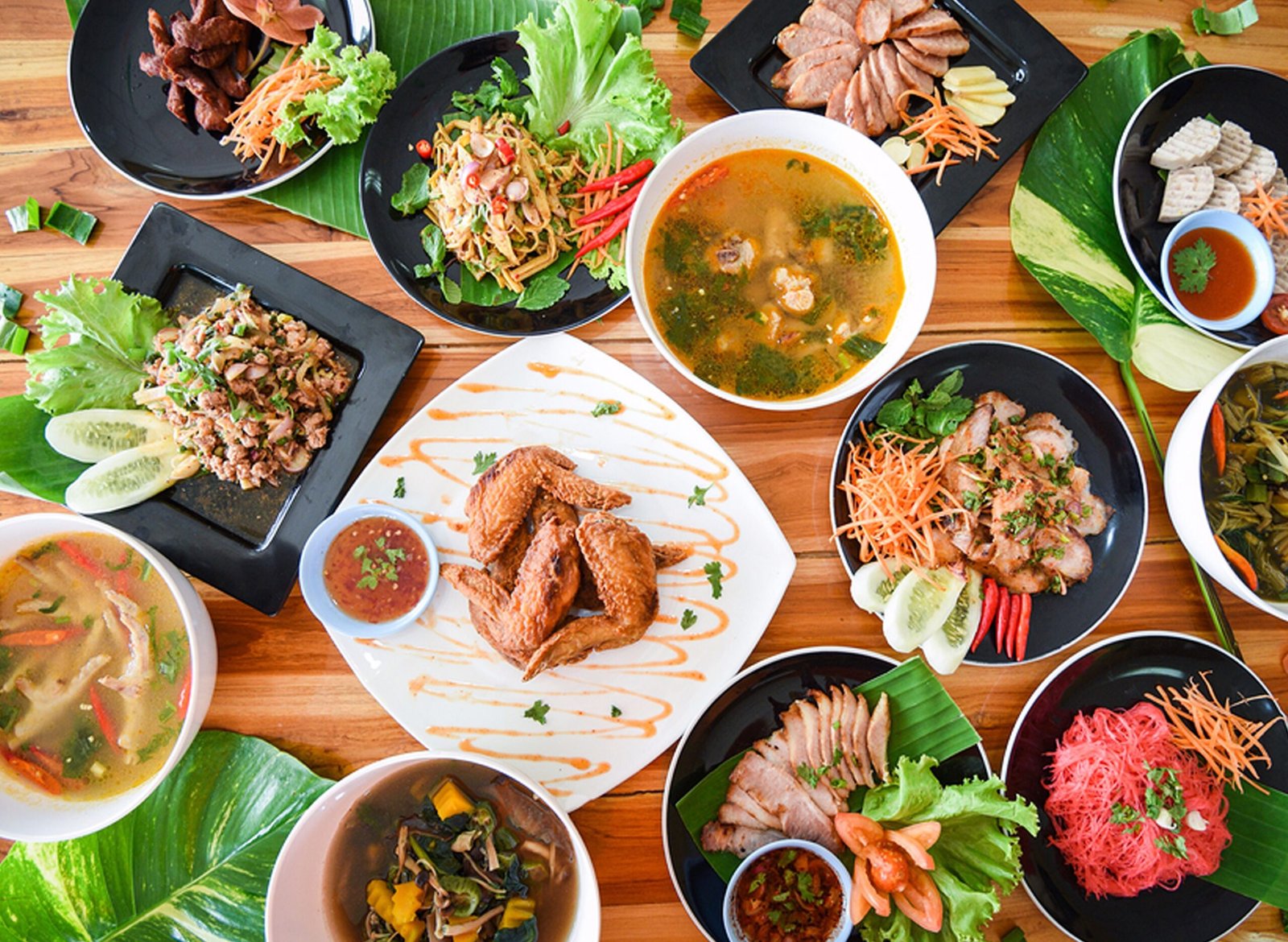
Have you ever tasted a meal that was so simple yet so satisfying that you kept thinking about it for the rest of the day? That’s the feeling many people describe when talking about nika food. It isn’t just about filling your plate. It’s about choosing fresh ingredients, enjoying natural flavors, and creating meals that leave you feeling good afterward.
Food trends come and go, but people always return to meals that feel genuine. That’s one reason this style of eating has gained attention among home cooks and food lovers alike.
What Is Nika Food?
Nika food refers to a style of cooking that focuses on fresh ingredients, balanced flavors, and simple preparation. Rather than relying on heavy processing or complicated recipes, the emphasis is on letting natural ingredients shine.
A typical meal often includes:
- Fresh vegetables
- Quality proteins
- Whole grains
- Healthy fats
- Seasonal fruits
- Natural herbs and spices
The beauty lies in its simplicity. You don’t need expensive ingredients or professional cooking skills to enjoy it.
Why People Appreciate This Style of Eating
One thing I’ve noticed is that the best meals aren’t always the fanciest ones. Sometimes a bowl of warm rice, grilled vegetables, and perfectly seasoned chicken feels far more satisfying than a complicated restaurant dish.
That’s exactly why many people enjoy this approach.
Some of the biggest benefits include:
- Easy-to-make recipes
- Fresh and colorful ingredients
- Balanced nutrition
- Less dependence on processed foods
- Meals that fit everyday life
It feels realistic, especially for busy families who still want homemade food.
The Importance of Fresh Ingredients
Fresh ingredients completely change the final result. A ripe tomato tastes nothing like one that’s been sitting in storage for weeks.
When preparing meals, consider choosing:
Seasonal Produce
Seasonal fruits and vegetables usually have better flavor and texture. They’re often more affordable too.
Lean Protein Sources
Chicken, fish, beans, tofu, and eggs provide satisfying protein without making meals feel heavy.
Whole Grains
Brown rice, quinoa, barley, and oats add fiber while keeping meals filling for longer.
Building a Balanced Plate
A balanced meal doesn’t have to be complicated.
A simple plate might include:
| Food Group | Examples |
| Vegetables | Spinach, carrots, broccoli, peppers |
| Protein | Chicken, fish, beans, tofu |
| Whole Grains | Brown rice, quinoa, whole wheat pasta |
| Healthy Fats | Olive oil, avocado, nuts |
| Fresh Fruit | Apples, berries, oranges |
This combination provides variety while making every meal feel complete.
Simple Cooking Methods That Work Best
One reason people enjoy this style is that the cooking itself isn’t stressful.
Popular cooking methods include:
Grilling
Grilling enhances natural flavors without needing excessive oil.
Steaming
Vegetables stay colorful and retain much of their natural texture.
Roasting
Roasted vegetables become sweeter and develop rich flavor with very little effort.
Light Sautéing
A quick sauté using olive oil and fresh herbs creates delicious meals in just minutes.
Everyday Meal Ideas
You don’t need a long shopping list to prepare satisfying dishes.
Here are a few ideas:
Breakfast
Greek yogurt with berries, honey, and granola.
Lunch
Grilled chicken with quinoa, roasted vegetables, and lemon dressing.
Dinner
Baked salmon with steamed broccoli and brown rice.
Snack
Fresh fruit with a handful of almonds.
Simple meals like these are surprisingly filling without feeling overly heavy.
Why Home Cooking Makes a Difference
Cooking at home gives you control over every ingredient. You know exactly what’s going into your meal.
I’ve found that even spending thirty minutes in the kitchen can be surprisingly relaxing after a busy day. The aroma of fresh herbs, vegetables cooking in a pan, and warm bread straight from the oven creates an experience that’s difficult to replace with takeout.
And honestly, leftovers often taste even better the next day.
Healthy Habits That Pair Well With Nika Food
Healthy eating isn’t only about recipes.
A few habits make a noticeable difference:
- Drink enough water throughout the day.
- Include vegetables in most meals.
- Eat slowly and enjoy your food.
- Choose fresh ingredients whenever possible.
- Plan meals before grocery shopping.
- Don’t skip breakfast if you’re hungry.
Small habits usually last longer than strict diets.
Common Mistakes to Avoid
Many people overcomplicate healthy eating.
Instead of chasing perfection, avoid these common mistakes:
- Buying more fresh produce than you can use.
- Depending too much on packaged foods.
- Skipping meals to “save calories.”
- Forgetting to include protein.
- Ignoring portion balance.
Healthy eating should feel sustainable, not stressful.
Is Nika Food Suitable for Everyone?
Most people can adapt this eating style to match their own preferences.
Vegetarians can focus on beans, lentils, tofu, and dairy.
Those following gluten-free diets can replace wheat products with rice or quinoa.
Families with children often appreciate how flexible these meals are since recipes can be adjusted without much effort.
The goal isn’t strict rules. It’s creating enjoyable meals using quality ingredients.
Final Thoughts
Good food doesn’t need to be complicated. That’s probably the biggest lesson behind nika food. Fresh ingredients, balanced meals, and simple cooking techniques often produce the most memorable dishes.
Whether you’re preparing dinner after work or cooking for family on the weekend, focusing on quality ingredients makes every meal feel more rewarding. Small changes can have a lasting impact, and before long, healthier eating starts to feel completely natural.
FAQs
What is nika food?
Nika food is a simple approach to preparing meals with fresh ingredients, balanced nutrition, and natural flavors while avoiding unnecessary processing.
Is nika food healthy?
Yes. It often includes vegetables, lean proteins, whole grains, healthy fats, and fresh fruits, making it suitable for a balanced lifestyle.
Can beginners prepare these meals?
Absolutely. Most recipes use straightforward cooking methods and ingredients that are easy to find in local grocery stores.
Is it expensive to follow this eating style?
Not necessarily. Buying seasonal produce, planning meals, and cooking at home can actually help reduce grocery costs.
Can I customize recipes?
Yes. One of the biggest advantages is flexibility. You can adjust ingredients based on dietary preferences, allergies, or personal taste while still maintaining balanced, flavorful meals.
Read More Informative Blogs: crawlthestory.com
