

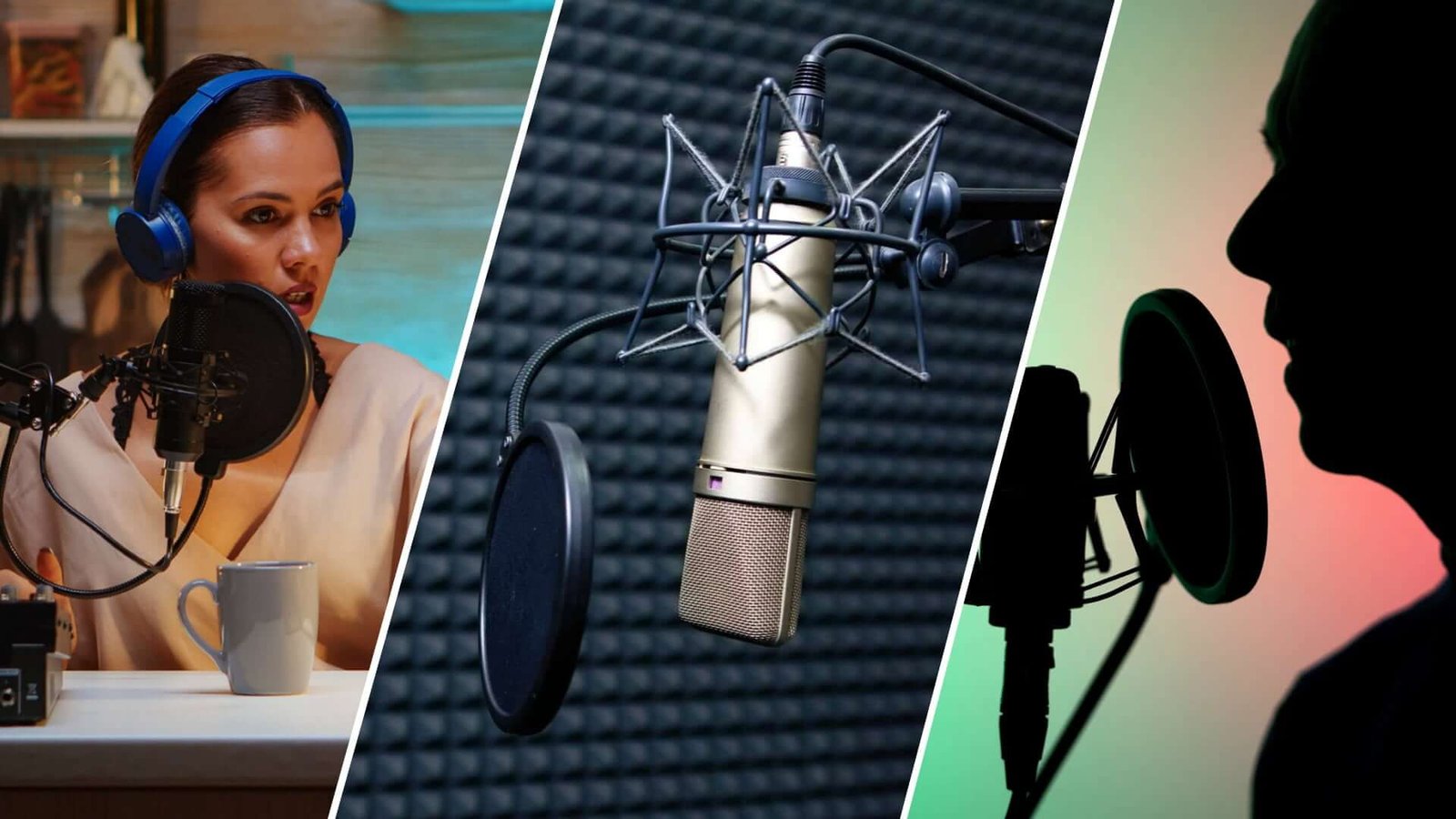
Voice acting is the art of using your voice to portray characters, communicate information, tell stories, or represent a brand in a natural and engaging way. Voice actors work across a wide range of industries, including animation, video games, films, audiobooks, commercials, podcasts, e-learning, dubbing, and corporate content.
While having a pleasant or distinctive voice can be helpful, successful voice acting involves much more than the sound of someone’s voice. It requires acting ability, vocal control, clear pronunciation, emotional expression, good timing, script interpretation, microphone technique, and the ability to understand and follow direction. A skilled voice actor knows how to adjust their delivery to match the character, message, audience, and overall tone of a project.
What Is Voice Acting?
Voice acting is a form of performance in which an actor communicates a character, story, message, or emotion primarily through their voice. Unlike on-camera acting, the performer may not appear visually on screen, so vocal expression becomes especially important.
A voice actor might play a fictional character in an animated series in the morning and record a commercial, audiobook, video game character, or training course later in the day. The work can vary significantly depending on the project.
Good voice acting isn’t simply about speaking clearly or having an unusual voice. A convincing performance requires the actor to understand the material and make deliberate choices about emotion, pacing, tone, emphasis, and character.
In many cases, listeners should feel as though the voice is coming naturally from the character or narrator rather than from someone reading a script.
Where Voice Actors Work
The demand for professional voice talent extends across many industries. Some of the most common areas include:
| Industry | Typical Voice Work |
| Animation | Characters, narrators, animated films and series |
| Video Games | Playable characters, NPCs, villains, narration |
| Commercials | TV, radio, online advertisements |
| Audiobooks | Fiction, nonfiction, educational books |
| E-learning | Courses, tutorials, training materials |
| Film & TV | Dubbing, narration, additional voices |
| Podcasts | Narration, advertisements, characters |
| Corporate Media | Presentations, explainers, internal training |
| IVR & Phone Systems | Automated messages and prompts |
This variety makes voice acting appealing to people with different performance interests. Someone who enjoys character work may prefer animation or gaming, while another performer may focus on narration, commercials, or corporate projects.
Skills Every Voice Actor Needs
A strong voice can help, but professional voice acting depends on several skills working together.
Acting Ability
At its core, voice acting is acting. Performers need to understand a character’s motivations, circumstances, relationships, and emotional state.
Even a short line can sound completely different depending on what the character is thinking or feeling.
Vocal Control
Actors need control over volume, pitch, pace, rhythm, articulation, and emotional intensity. They may need to shift between subtle and energetic performances while maintaining vocal consistency.
Script Interpretation
A script doesn’t always explain exactly how every line should sound. Voice actors must interpret context and decide where emphasis, pauses, emotion, and changes in energy belong.
Taking Direction
Professional sessions often involve directors, producers, clients, or casting teams. A performer may be asked to make a line warmer, slower, more conversational, more dramatic, or less exaggerated.
Being able to adjust quickly is an important professional skill.
Microphone Technique
Voice actors also need to understand basic recording technique. Distance from the microphone, positioning, room noise, breathing, plosives, and volume can all affect the final recording.
Different Types of Voice Acting
Voice acting isn’t one single career path. Different specialties require different performance styles.
Character Voice Acting
Character work is common in animation and video games. Performers create distinctive personalities and voices while still making the dialogue feel believable.
Commercial Voice Acting
Commercial performers often need to sound conversational, confident, enthusiastic, trustworthy, or authoritative. The delivery usually needs to support the message without sounding like an exaggerated performance.
Audiobook Narration
Audiobook narration requires concentration and consistency over long recording sessions. Narrators may also perform dialogue for multiple characters while maintaining a clear storytelling voice.
Dubbing
Dubbing involves recording dialogue for content originally produced in another language. Timing and synchronization can be particularly important because the new performance must fit the existing visuals and scene.
E-Learning and Corporate Narration
These projects often prioritize clarity, consistency, and an approachable delivery. The performer may be explaining complicated information, so sounding natural and easy to understand matters more than creating a dramatic character.
How to Get Started in Voice Acting
You don’t necessarily need expensive equipment or years of formal training before trying voice acting. A practical starting point is to learn the fundamentals and begin practicing consistently.
1. Practice Reading Aloud
Choose different types of material and read them aloud. Try advertisements, fictional dialogue, news-style passages, narration, and conversational scripts.
Record yourself and listen back. Pay attention to pacing, pronunciation, breathing, unnecessary pauses, and whether your delivery sounds natural.
2. Study Acting
Voice work becomes much easier when you understand acting fundamentals. Improvisation, scene study, character development, and emotional interpretation can all improve your performance.
3. Learn Basic Recording
You don’t need a professional studio to begin learning. Understanding microphone placement, recording levels, background noise, and basic editing gives you a stronger foundation.
4. Choose a Specialty
As you practice, consider which type of work suits you best. You might discover that you enjoy narration more than character acting, or commercials more than audiobooks.
You can eventually expand into other categories, but having a clear starting direction can make practice and portfolio development easier.
5. Look for Auditions
Once you’re comfortable recording yourself, start exploring legitimate audition opportunities. Read project descriptions carefully, follow submission instructions, and only submit material that matches what the client is requesting.
Building a Voice Acting Demo Reel
A demo reel is one of the most important marketing tools for a voice actor. It gives potential clients and casting professionals a quick impression of your voice, acting ability, and suitability for particular projects.
A useful demo should:
- Focus on your strongest performances
- Match the type of work you’re pursuing
- Demonstrate emotional and vocal range where appropriate
- Use clean, understandable audio
- Avoid unnecessary filler
- Be concise enough to maintain the listener’s attention
Different specialties can benefit from different demos. For example, commercial work and character acting may require very different samples.
Rather than trying to demonstrate every possible voice in one recording, it’s usually better to create a focused presentation that shows what you can do well.
Voice Acting Equipment for Beginners
A basic home setup can include:
- A quality microphone
- Headphones
- A computer or compatible recording device
- Recording and editing software
- A quiet recording space
- A microphone stand or suitable mounting system
- A pop filter or windscreen when appropriate
The room itself matters just as much as the microphone. A relatively affordable microphone used in a noisy, echo-filled room may produce worse results than a modest setup in a properly controlled space.
Beginners should focus on reducing outside noise and room reflections before spending heavily on equipment.
How Auditions and Voice Jobs Work
A typical voice project may begin with a casting notice or direct request for talent. The client can provide information such as the role, script, desired tone, accent, age range, deadline, and technical requirements.
For auditions, performers may be asked to submit a short sample. The casting team then reviews submissions and selects a performer.
If you’re hired, the project may involve a remote recording session, self-recording, or an in-person studio session. You may also receive direction and be asked to perform several takes.
Professionalism matters throughout the process. Meeting deadlines, communicating clearly, following instructions, naming files correctly, and delivering technically clean recordings can all influence whether a client wants to work with you again.
Common Mistakes New Voice Actors Make
One of the biggest mistakes is assuming that voice acting is simply about having a distinctive voice. Acting and communication skills are much more important than sounding unusual.
Other common problems include:
- Speaking too quickly
- Overacting every line
- Ignoring the context of a script
- Failing to warm up the voice
- Recording in an echo-filled room
- Buying expensive equipment before learning technique
- Using the same delivery for every project
- Ignoring client directions
- Making demos too long
- Expecting immediate success
Progress usually comes from regular practice, useful feedback, and learning how professional projects actually work.
Frequently Asked Questions
Is voice acting a good career?
Voice acting can be a rewarding career for people who enjoy performance, storytelling, communication, and independent creative work. However, like other freelance creative fields, building consistent work can take time.
Do you need a special voice to become a voice actor?
No. A naturally distinctive voice can be useful for certain roles, but acting ability, vocal control, interpretation, clarity, and versatility are often more important.
Can beginners learn voice acting at home?
Yes. Beginners can practice scripts, record themselves, study acting techniques, and learn basic audio production from home. A quiet recording environment and consistent practice are useful starting points.
How long does it take to become good at voice acting?
There isn’t a fixed timeline. Progress depends on practice frequency, previous acting experience, training, feedback, and the type of voice work being pursued.
What should a voice acting demo include?
A demo should showcase your strongest work and be relevant to the type of jobs you’re seeking. Commercial, narration, and character demos can each emphasize different performance qualities.
Is voice acting only for animation?
No. Voice actors work in animation, video games, commercials, audiobooks, dubbing, e-learning, corporate content, podcasts, phone systems, and many other formats.
Can voice actors work from home?
Yes. Many voice projects can be recorded remotely, although some productions still use professional studios or require specific recording environments.
Conclusion
Voice acting combines acting, vocal technique, storytelling, and communication. It reaches far beyond animated characters, with opportunities in commercials, video games, audiobooks, dubbing, e-learning, corporate media, podcasts, and other forms of digital content.
For beginners, the best approach is to start with the fundamentals: practice regularly, learn how to interpret scripts, develop acting skills, understand basic recording techniques, and create focused samples of your work. You don’t need to have everything figured out on day one. With consistent practice and a professional approach, voice acting can develop from a creative interest into a serious performance skill and, for some people, a sustainable career.
Learn More About: Abby Voice Actor KPop Demon Hunters
