

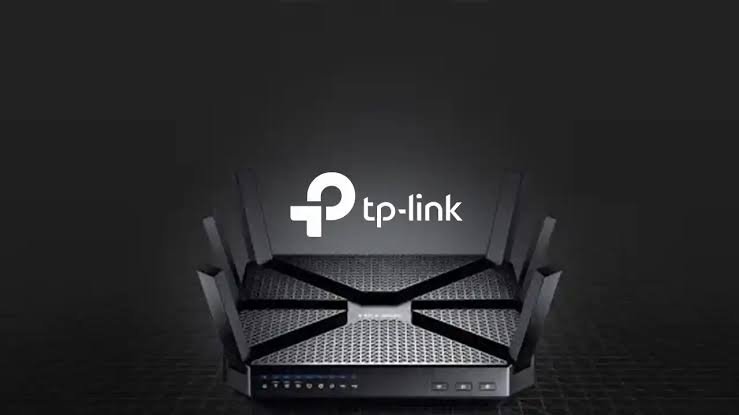
TP-Link Technologies Co., Ltd. is the company name historically associated with TP-Link’s networking business and its operations in mainland China. Founded in 1996, TP-Link developed into a major networking and consumer technology brand known for routers, Wi-Fi equipment, switches, smart-home devices, and business networking solutions. Its global corporate structure has since changed, with TP-Link’s international business separated from TP-LINK Technologies Co., Ltd. in the early 2020s.
What Is TP-Link Technologies Co.?
TP-Link Technologies Co., Ltd. is a name closely associated with the origins and historical corporate structure of TP-Link, one of the best-known networking technology brands in the world.
The company began in 1996 and built its reputation around networking hardware, eventually expanding into consumer electronics, business networking, security, smart-home technology, software, and cloud-based services. Older TP-Link documentation and product materials specifically identify TP-LINK Technologies Co., Ltd. as the company behind the TP-Link brand.
However, there is an important distinction for anyone researching the company today: TP-LINK Technologies Co., Ltd. and the current international TP-Link business should not automatically be treated as the same corporate entity.
TP-Link’s corporate restructuring began in 2022, and the company announced a new global structure in 2024. Today, TP-Link Systems Inc. identifies itself as the parent company for the global TP-Link business, while TP-LINK Technologies Co., Ltd. serves the mainland Chinese market.
A Brief History of TP-Link
TP-Link was founded in 1996, beginning with a focus on networking technology. Over time, the company expanded its product portfolio as internet connectivity became increasingly important in homes, offices, schools, businesses, and public spaces.
The company’s growth followed several major technology trends:
- Expansion of broadband internet
- Growing demand for wireless networking
- Development of Wi-Fi standards
- Growth of smart-home devices
- Increasing demand for business and enterprise networking
- Adoption of cloud-managed network infrastructure
TP-Link subsequently developed a broad international presence. Its current corporate materials describe operations spanning more than 170 countries and regions, supported by global subsidiaries, research and development centers, and manufacturing facilities.
This expansion helped TP-Link move beyond being simply a router manufacturer. Its portfolio now covers several areas of connected technology.
What Does TP-Link Make?
TP-Link is best known for networking products, but its current portfolio is considerably broader.
Home Networking
For consumers, TP-Link produces equipment designed to provide internet access and wireless coverage throughout homes.
Common products include:
- Wi-Fi routers
- Mesh Wi-Fi systems
- Range extenders
- Network switches
- Wireless access points
- 4G and 5G networking equipment
- Powerline networking products
The Archer and Deco families are particularly important within the consumer networking portfolio. Deco, for example, uses multiple nodes to provide a unified mesh network designed to improve coverage throughout a home.
Business Networking
TP-Link also serves small businesses and larger organizations through products such as:
- Managed switches
- Wireless access points
- Gateways
- Network controllers
- PoE networking equipment
- Cloud-managed networking solutions
Its Omada platform brings gateways, switches, access points, and management tools together through a software-defined networking approach.
Smart Home and Security
The company’s technology portfolio also extends into connected-home products.
Through brands such as Tapo and Kasa, TP-Link offers products including smart plugs, cameras, lighting products, sensors, and other connected devices. Its broader portfolio also includes security products under the VIGI brand.
Major TP-Link Product Categories
| Category | Examples | Main Users |
| Wi-Fi Routers | Archer series | Home users, gamers |
| Mesh Wi-Fi | Deco series | Homes and larger properties |
| Business Networking | Omada | Small and medium businesses |
| Surveillance | VIGI | Businesses and organizations |
| Smart Home | Tapo, Kasa | Consumers |
| ISP Networking | Aginet | Service providers |
| Network Switches | Managed and unmanaged models | Home and business networks |
| Wireless Access Points | Omada EAP series | Homes, offices, campuses |
The breadth of these categories explains why TP-Link is now better understood as a connected-technology company rather than simply a router manufacturer.
TP-Link Brands and Technology Platforms
One reason the TP-Link name appears across many technology categories is its portfolio of specialized brands.
Archer
Archer is strongly associated with consumer routers and wireless networking. The lineup includes conventional home routers as well as newer Wi-Fi products aimed at higher-speed connections and demanding users.
Deco
Deco focuses on whole-home mesh networking. Rather than relying on a single router, multiple Deco units can work together to create one network across a home.
Omada
Omada is designed primarily for business networking. It combines networking hardware with centralized management, allowing administrators to manage gateways, switches and access points from a unified platform.
Tapo and Kasa
These brands extend TP-Link into smart-home technology. Products can include smart plugs, cameras and other connected devices intended for everyday home automation.
VIGI
VIGI focuses on business surveillance and security solutions, including cameras and recording equipment.
Aginet
Aginet serves internet service providers with networking products and related solutions.
Together, these brands allow TP-Link to address different parts of the connected-device market rather than relying on one product category.
TP-Link’s Global Presence
TP-Link has developed a substantial international footprint. Its corporate information states that the broader TP-Link organization operates in more than 170 countries and regions, with 42 subsidiaries and four research and development centers listed in its current global profile.
The company’s global strategy has also involved manufacturing and supply-chain operations across multiple locations. Current corporate information identifies manufacturing bases in China, Vietnam, and Brazil.
This international structure allows TP-Link products to reach consumers, businesses, internet service providers, and organizations across different markets.
TP-Link Technologies Co. vs. TP-Link Systems
This is one of the most important points when researching TP-Link Technologies Co.
The names can look almost identical, but the current corporate structure is more complicated than the branding suggests.
According to TP-Link’s own corporate information, TP-Link Corporation Group began formally separating from TP-LINK Technologies Co., Ltd. in early 2022. The restructuring eventually resulted in TP-Link Systems Inc. being established in Irvine, California, as the global headquarters and parent company for the international TP-Link business.
Meanwhile, TP-LINK Technologies Co., Ltd. serves the mainland Chinese market.
This distinction matters when looking at company ownership, headquarters, products, support services, or corporate announcements. A search for the historical company name can return older product documentation that identifies TP-LINK Technologies Co., Ltd., while newer international information may refer to TP-Link Systems Inc.
For customers in different countries, the appropriate TP-Link regional website and support organization can therefore be more useful than relying solely on the older corporate name.
Why TP-Link Remains Important in Networking
TP-Link’s significance comes largely from its ability to serve several levels of the networking market.
A typical consumer might know the company through a home router or Deco mesh system. A small business may encounter TP-Link through Omada switches and access points. An organization focused on surveillance may use VIGI products, while an internet service provider can use solutions developed for service-provider networks.
The company is also continuing to invest in newer wireless technologies. Its current product announcements include Wi-Fi 7 products and newer Wi-Fi 8 platforms, demonstrating its effort to remain involved as wireless networking standards evolve.
For buyers, this broad portfolio means TP-Link can potentially provide networking equipment for everything from a small apartment to a multi-site business environment.
Frequently Asked Questions
Is TP-Link Technologies Co. still a company?
Yes, TP-LINK Technologies Co., Ltd. serves the mainland Chinese market. The global TP-Link business is now led by TP-Link Systems Inc.
When was TP-Link founded?
TP-Link was founded in 1996. It has since expanded into networking, smart-home technology, security, and business solutions.
What is TP-Link best known for?
TP-Link is best known for Wi-Fi routers, mesh systems, switches, and wireless networking equipment. It also offers smart-home and business networking products.
What is the difference between TP-Link and TP-Link Technologies Co.?
TP-LINK Technologies Co., Ltd. is associated with the mainland Chinese business. TP-Link Systems Inc. is the parent company of the global TP-Link business.
Does TP-Link make products besides routers?
Yes, TP-Link also makes mesh Wi-Fi systems, switches, access points, cameras, smart-home devices, and networking solutions.
What is TP-Link Omada?
Omada is TP-Link’s business networking platform. It provides centralized management for gateways, switches, access points, and other network devices.
Does TP-Link operate in Pakistan?
Yes, TP-Link operates in Pakistan and provides local products and technical support. It has a dedicated Pakistan business and support presence.
Conclusion
TP-Link Technologies Co. represents an important part of TP-Link’s corporate history and remains particularly relevant when researching the company’s mainland Chinese operations. Since its founding in 1996, TP-Link has grown from a networking-focused company into a broad technology organization covering consumer Wi-Fi, mesh networking, business infrastructure, surveillance, smart-home devices, service-provider solutions, software, and cloud services.
For anyone researching the company today, the most important distinction is between the historical and mainland-China entity TP-LINK Technologies Co., Ltd. and the current international organization led by TP-Link Systems Inc. The corporate separation helps explain why older TP-Link documentation may reference TP-LINK Technologies Co., Ltd., while current international materials identify TP-Link Systems Inc. as the global parent.
Learn More About: Okayuj.co.uk
