

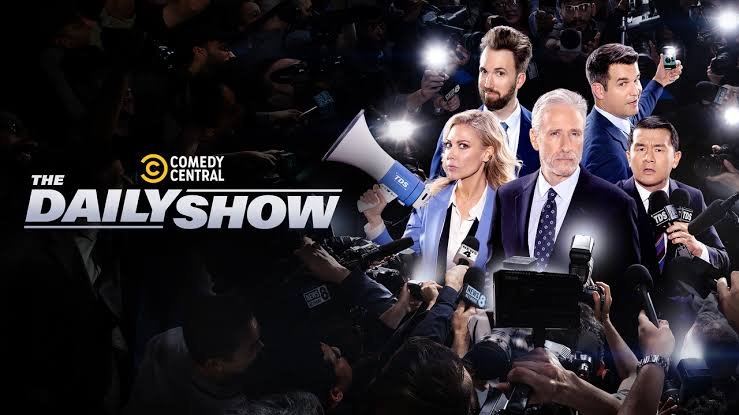
The Daily Show is one of the most recognizable programs in American late-night television. Known for its sharp humor, political satire, interviews, and commentary on current events, the program has entertained audiences for decades.
Unlike a traditional news broadcast, the show uses comedy to examine real stories from politics, society, culture, and the media. This approach has helped it attract viewers who enjoy entertainment while also following major public conversations.
Over the years, The Daily Show has changed with its hosts, writers, and audience. However, its basic identity has remained connected to satire and commentary. The program has also influenced the wider world of entertainment news and political comedy, making it an important part of modern television culture.
What Is The Daily Show?
The Daily Show is a late-night television program built around satirical commentary on current events. It combines elements of comedy, news discussion, interviews, and sketches.
The show often takes real news stories and examines them through humor. Its topics can include:
- Politics and government
- Elections and public policy
- Breaking news
- Social issues
- Popular culture
- The news media
- International events
The program is not designed to function as a traditional newsroom. Instead, comedy and satire are central to how it presents and discusses current events.
This distinction is important. Viewers may learn about major topics through the program, but the show’s main format is entertainment and commentary rather than conventional news reporting.
The History of The Daily Show
The Daily Show first premiered in 1996. The program initially had a different style and identity from the version that later became widely known.
Its format evolved significantly over time. As new hosts joined the program, they brought different perspectives, comedic styles, and approaches to political satire.
The show’s development can be understood through several major periods:
| Period | Major Development |
| 1996 | The program debuted on American television |
| Late 1990s and 2000s | Political satire became a stronger part of the format |
| 2000s | The show gained major cultural influence |
| 2010s | Its international audience continued to grow |
| Recent years | The format continued evolving with changing hosts and contributors |
The show’s long history demonstrates how television comedy can adapt to changes in politics, technology, and audience habits.
How The Daily Show Works
The structure of The Daily Show generally combines several different segments. Although individual episodes may vary, viewers can expect a mixture of commentary and interviews.
Opening Commentary
Episodes often begin with discussion of major recent events. The host may focus on a political development, a news story, or another widely discussed topic.
Humor is usually created through:
- Satirical observations
- Video clips
- Contradictions in public statements
- Media analysis
- Comedic comparisons
- Commentary on public figures
Correspondent Segments
Correspondents have played an important role in the show’s identity. They may appear in studio segments or pre-recorded pieces that use humor to explore a particular subject.
These segments often exaggerate familiar television news formats for comedic effect.
Guest Interviews
The program also features interviews with guests from different fields.
Guests may include:
- Authors
- Journalists
- Politicians
- Actors
- Comedians
- Activists
- Experts
These conversations often give the program a different tone from its comedy segments. Some interviews focus on books, current projects, public issues, or professional experiences.
Famous Hosts of The Daily Show
Several hosts have helped shape the public identity of The Daily Show.
Jon Stewart
Jon Stewart became strongly associated with the program’s transformation into a major platform for political satire.
During his time as host, the show became known for closely examining political messaging, television coverage, and public debate. His approach combined comedy with detailed criticism of media narratives and political behavior.
Many comedians and television personalities who later became successful began their careers or gained wider recognition through the show’s extended team during this period.
Trevor Noah
Trevor Noah brought a different international perspective to the program.
His background and experiences allowed the show to explore American and global issues from another point of view. During his time as host, the program addressed major political and social developments while continuing its traditional mix of satire and interviews.
Other Hosts and Contributors
The Daily Show has also relied heavily on its correspondents and guest contributors. Many have later built successful careers in television, comedy, journalism, and entertainment.
This ability to introduce new talent has become one of the program’s lasting strengths.
Why The Daily Show Became So Popular
Several factors have contributed to the continued popularity of The Daily Show.
1. Comedy Makes Complex Topics Easier to Discuss
Politics and public policy can sometimes feel complicated. Satire can make these subjects more approachable.
A well-constructed joke may highlight a contradiction or confusing situation in a way that audiences immediately understand.
2. It Responds to Current Conversations
The show focuses heavily on topics people are already discussing.
This creates a connection between the program and the daily news cycle. Viewers can watch commentary on events that may have appeared in headlines only hours or days earlier.
3. Strong Writing and Performance
The success of political satire depends on more than simply making jokes about politicians.
Writers and performers must understand the topic, identify what is interesting about it, and present the idea in a clear and entertaining way.
4. A Memorable Format
The combination of a host, correspondents, video clips, and interviews gives the program variety.
Viewers can move from a humorous monologue to a serious discussion with an author or expert within the same episode.
The Show’s Impact on Politics and Media
The influence of The Daily Show extends beyond comedy.
The program helped popularize a style of television that examines both political events and the way those events are covered by the media.
Its impact can be seen in several areas:
- Growth of political comedy programs
- Increased popularity of satirical news formats
- Greater public discussion about media coverage
- New career opportunities for comedians and writers
- A broader audience for political commentary
However, it is important to understand that satire and journalism serve different purposes.
Satirical programs can raise questions, highlight contradictions, and encourage audiences to think critically. Traditional journalism, meanwhile, focuses on reporting, investigation, verification, and factual coverage.
A responsible viewer should recognize the difference between entertainment commentary and original news reporting.
The Daily Show and Entertainment Culture
The success of The Daily Show demonstrates how closely entertainment and current events can intersect.
Modern audiences often consume information through multiple formats. Someone may read a traditional newspaper, watch a television report, listen to a podcast, and later watch a satirical program discussing the same subject.
This changing media environment has made entertainment coverage increasingly important. Readers interested in celebrity stories, television developments, and broader pop culture discussions can explore dedicated entertainment news coverage alongside traditional reporting and comedy programming.
The Daily Show occupies an interesting position within this environment. It is both an entertainment program and a platform for discussion about real-world issues.
How The Program Has Changed Over Time
Long-running television programs must adapt to survive. The Daily Show has experienced major changes in its hosting, writing style, audience, and distribution.
Changes in Media Consumption
When the show first began, television was the primary way many people watched it.
Today, audiences can encounter clips through:
- Streaming platforms
- Social media
- Video-sharing websites
- Mobile devices
- Television broadcasts
Short clips from interviews or monologues can now reach people who may never watch an entire episode.
Changes in Political Comedy
Political satire has become more competitive over time. Many programs now discuss current events using humor.
This means The Daily Show must continue finding fresh ways to stand out.
Changing Audience Expectations
Modern audiences often expect fast commentary and immediate reactions to major events.
At the same time, viewers increasingly value context and credibility. Programs that discuss public issues must balance humor with responsible presentation.
The Difference Between Satirical News and Traditional News
Understanding the difference between these formats can help audiences become better media consumers.
| Satirical Program | Traditional News Organization |
| Uses humor as a primary tool | Focuses primarily on reporting |
| Often presents opinion and commentary | Prioritizes verified factual coverage |
| May exaggerate for comedic effect | Avoids exaggeration in factual reporting |
| Designed mainly to entertain | Designed mainly to inform |
| Can encourage critical thinking | Provides direct news coverage |
Both formats can contribute to public discussion, but they should not be treated as identical.
For readers who also enjoy following different media brands and their approach to reporting, this overview of The Daily Mail provides another perspective on a major name in the modern media landscape.
What Makes The Daily Show Relevant Today?
Despite changes in television and online media, the core idea behind the show remains relevant.
People continue to look for ways to understand complicated events. Comedy provides one possible entry point into these discussions.
The program’s continued relevance comes from its ability to combine:
- Current events
- Humor
- Cultural commentary
- Interviews
- Media criticism
The exact style may change over time, but these elements have helped maintain the show’s place in popular culture.
Key Takeaways
- The Daily Show is an American late-night satirical news and talk program.
- It uses comedy to discuss politics, culture, media, and current events.
- The program has changed significantly since its debut in 1996.
- Different hosts have shaped the show’s style and public identity.
- Correspondents and guest interviews are important parts of its format.
- The show has influenced political comedy and modern entertainment television.
- Satirical programming should be distinguished from traditional journalism.
- Its format continues to evolve as audiences consume more content online.
Frequently Asked Questions
What is The Daily Show about?
The Daily Show is a late-night satirical program that uses comedy and commentary to discuss current events, politics, media, and popular culture.
Is The Daily Show a real news program?
The program discusses real news events, but it is primarily a comedy and satirical commentary show rather than a traditional news organization.
When did The Daily Show begin?
The Daily Show first premiered in 1996 and has continued to evolve through different hosts and creative teams.
Who are some famous hosts of The Daily Show?
Jon Stewart and Trevor Noah are among the most widely recognized hosts associated with the program. Different hosts and contributors have shaped the show throughout its history.
Why is The Daily Show so influential?
The show helped popularize modern political satire by combining comedy with commentary about politics, the media, and current events.
Does The Daily Show only discuss politics?
No. Although politics is a major topic, the program can also cover culture, social issues, international events, media, books, and entertainment.
Conclusion
The Daily Show has become much more than a typical late-night comedy program. Through satire, interviews, correspondent segments, and commentary, it has created a distinctive way of discussing current events and popular culture.
Its greatest strength has been its ability to evolve. Different hosts have brought new perspectives, while the core concept of using humor to examine the world has remained central.
For audiences, the show offers entertainment and commentary in a format that can make complicated subjects more accessible. While it should not replace traditional journalism, its influence on political comedy and modern television is difficult to ignore.
As media habits continue to change, The Daily Show remains an important example of how comedy, culture, and current events can come together on one platform.
