
Australian consumer spending is an important measure of household financial activity and a key indicator of the country’s economic health. When Australians increase spending, businesses often see stronger demand for products and services. When households cut back, retailers, restaurants, travel providers, and other consumer-facing businesses can feel the impact.
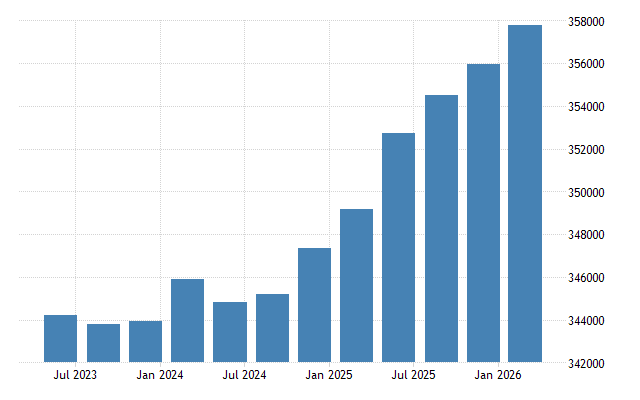
Recent data presents an interesting picture. Household spending increased for the third consecutive month in July 2026, while inflation remained an important factor affecting the value of purchases. The Australian Bureau of Statistics (ABS) reported a 1.1% monthly increase in household spending in July, with spending 7.0% above the level recorded a year earlier.
This article explains the latest spending trends, the categories driving growth, the difference between nominal and real spending, and what consumer behaviour may mean for Australian households and businesses.
What Is Australian Consumer Spending?
Australian consumer spending is the amount households spend on goods and services during a particular period.
It covers everyday purchases as well as discretionary spending, including:
- Food and groceries
- Transport and vehicles
- Clothing and footwear
- Healthcare
- Household equipment
- Restaurants and cafes
- Hotels and travel
- Recreation and entertainment
- Other personal goods and services
The ABS tracks household spending through its Monthly Household Spending Indicator, which provides monthly and quarterly estimates of household expenditure.
It is useful to distinguish consumer spending from retail sales. Retail trade mainly captures purchases through retail businesses, while household spending covers a broader range of goods and services.
Latest Australian Consumer Spending Data
The latest ABS release, covering July 2026, shows that Australian household spending continued to strengthen.
| Measure | July 2026 |
| Monthly household spending | +1.1% |
| Annual household spending growth | +7.0% |
| Previous monthly increase | +1.0% in June |
| Previous monthly increase | +1.2% in May |
The July increase marked the third consecutive monthly rise. The ABS reported that recreation and culture, food, hotels, cafes and restaurants, and health were among the categories supporting the monthly increase.
This suggests that household demand remained active despite continued pressure from prices and household expenses.
Spending in the June Quarter
The quarterly data also provides useful context. In the June quarter of 2026, household spending volumes increased 0.7% from the previous quarter and 2.4% from the same quarter a year earlier.
Volume measures are particularly useful because they help separate changes in the amount purchased from changes caused by higher prices.
Where Are Australians Spending Their Money?
Consumer spending is spread across essential and discretionary categories. Recent ABS data shows that several areas recorded notable increases in July.
Food
Food spending increased 1.0% in July 2026 on a seasonally adjusted, current-price basis. However, price increases also contributed to the rise, meaning higher spending does not necessarily mean households bought proportionally more food.
Recreation and Culture
Recreation and culture was one of the strongest categories in July, rising 1.5%.
The ABS reported contributions from activities including gambling, major sporting events, and cinema attendance.
This category can provide insight into discretionary consumer behaviour because households have greater flexibility over many entertainment purchases.
Hotels, Cafes and Restaurants
Spending on hotels, cafes and restaurants increased 1.1% in July. This points to continued consumer activity around dining and hospitality, although price changes also influence the value of spending.
Health
Health spending rose 1.2% in July, showing continued household expenditure on healthcare-related goods and services.
Clothing and Footwear
Clothing and footwear spending increased 1.6% during July. This followed a decline in June, suggesting some recovery in this discretionary category.
What Is Driving Consumer Spending?
Several factors can influence Australian household spending.
1. Prices and Inflation
Inflation directly affects household budgets. Australia’s CPI increased 3.5% in the 12 months to July 2026, while food and non-alcoholic beverage prices rose 3.2%. Housing was another major contributor to inflation, with prices increasing 5.0% over the year.
When prices rise, households may spend more money even when they purchase a similar quantity of goods.
2. Household Income
Income growth affects how much money consumers have available after essential expenses. Stronger disposable income can support discretionary purchases, while weaker household finances can encourage saving or spending reductions.
3. Interest Rates and Borrowing Costs
Mortgage repayments and other borrowing costs can significantly influence household budgets. When financing costs are high, households may have less money available for restaurants, travel, entertainment, and larger purchases.
4. Consumer Confidence
People’s expectations about employment, income, inflation, and the economy can influence spending decisions. Consumers who feel financially secure may be more comfortable making larger discretionary purchases.
5. Changing Consumer Preferences
Spending habits also change over time. Online shopping, digital entertainment, experiences, travel, and electric vehicles are examples of areas where consumer preferences can influence demand.
Nominal vs Real Consumer Spending
One of the most important concepts when analysing Australian consumer spending is the difference between nominal and real spending.
Nominal spending measures the dollar value of purchases at current prices.
Real or volume spending attempts to show changes in the quantity of goods and services purchased after accounting for price changes.
For example, imagine a household spent $500 on groceries last year and $530 this year. That does not automatically mean the household bought 6% more groceries. If grocery prices increased substantially, part or most of the increase could simply reflect inflation.
This is why analysts look at both measures when assessing consumer demand.
The ABS reported that household spending increased 7.0% over the year in current-price terms in July, while its June-quarter volume measure increased 2.4% over the year.
Consumer Spending and the Australian Economy
Household consumption plays a major role in Australia’s economic activity.
When consumers spend more, businesses can experience stronger sales. This can support:
- Retail turnover
- Hospitality revenue
- Employment
- Business investment
- Demand for services
- Overall economic growth
The relationship works in the opposite direction too. If households reduce spending because of financial pressure, businesses may experience weaker demand.
Earlier 2026 national accounts data showed household consumption increased 0.5% in the March quarter, contributing 0.3 percentage points to GDP growth. Essential consumption increased 0.8%, while discretionary consumption rose only 0.1% during that quarter.
This illustrates how Australian consumers can remain active while becoming more cautious about discretionary purchases.
What the Trends Mean for Businesses
Businesses that sell directly to Australian consumers should pay attention to both spending growth and the reasons behind it.
A useful approach is to:
- Track category-level demand rather than relying only on total spending.
- Monitor inflation to understand whether sales growth reflects higher prices or greater demand.
- Watch consumer behaviour across essential and discretionary products.
- Offer clear value when household budgets are under pressure.
- Review seasonal trends before making inventory decisions.
- Use customer data to understand changes in purchasing behaviour.
For example, a retailer may see revenue increasing while the number of products sold remains flat. In that situation, higher prices may be responsible for much of the revenue growth.
Australian Consumer Spending Outlook
The latest figures suggest that Australian household spending entered the second half of 2026 with positive momentum. Spending increased in May, June, and July, while July recorded the strongest annual current-price growth since June 2023, according to the ABS.
Still, the outlook should not be interpreted as uniformly strong. Inflation remains above the Reserve Bank of Australia’s target range, and housing and other household costs continue to influence budgets.
The most useful indicator to watch is therefore not just how much Australians spend, but what they buy, how frequently they buy it, and whether volume growth keeps pace with price growth.
Key Takeaways
- Australian household spending rose 1.1% in July 2026.
- Spending was 7.0% higher than July 2025 in current-price terms.
- July marked the third consecutive monthly increase.
- Recreation and culture, food, hospitality, and health were among the categories supporting growth.
- Inflation remains an important factor when interpreting spending figures.
- Real or volume measures provide a clearer view of how much households are actually purchasing.
- Consumer spending remains an important indicator of Australia’s broader economic activity.
FAQs
1. What is Australian consumer spending?
Australian consumer spending is household expenditure on goods and services such as food, transport, healthcare, clothing, entertainment, restaurants, and travel.
2. Is Australian consumer spending increasing?
Yes. ABS data shows household spending rose 1.1% in July 2026 and was 7.0% higher than a year earlier in current-price terms.
3. What are Australians spending the most money on?
Household spending covers essential and discretionary categories, including food, transport, health, housing-related expenses, recreation, and hospitality.
4. Why does inflation matter for consumer spending?
Higher prices can increase the dollar value of spending even when households are not buying significantly more goods and services.
5. How does consumer spending affect Australia’s economy?
Consumer spending supports business sales and services and is an important component of economic activity and GDP.
6. Who publishes Australian consumer spending data?
The Australian Bureau of Statistics (ABS) publishes the Monthly Household Spending Indicator and other official economic statistics.
Conclusion
Australian consumer spending remains an important indicator of household financial behaviour and economic momentum. The latest figures show continued growth, with household spending rising for the third consecutive month in July 2026 and reaching 7.0% above the previous year’s level in current-price terms.
However, the headline number only tells part of the story. Inflation, household costs, income, interest rates, and changing consumer preferences all shape spending decisions. Looking at both dollar values and real spending volumes provides a more accurate picture of Australia’s consumer economy.
For businesses, investors, and consumers, the key question going forward is whether spending growth continues while households maintain purchasing power. That combination will be important for understanding the strength and direction of Australia’s economy.
Learn Aout: MSFT Stock Price Today
